Categorias
Blog mais recente
Como identificar copos de papel de alta qualidade: evitando vazamentos e odores desagradáveis?
Jan 29 , 2026No setor global de embalagens de alimentos, o copo de papel é frequentemente o ponto de contato mais crítico entre uma marca e seu consumidor. No entanto, para muitos compradores atacadistas e proprietários de cafeterias, as complexidades técnicas por trás de um copo "simples" permanecem obscuras até que uma crise ocorra. Um lote repentino de copos com vazamento ou um odor químico persistente podem interromper as operações e levar a perdas financeiras significativas. Este artigo serve como um guia de nível industrial para identificar copos de papel de alto desempenho, com foco em métricas estruturais, química de barreira e padrões avançados de fabricação.
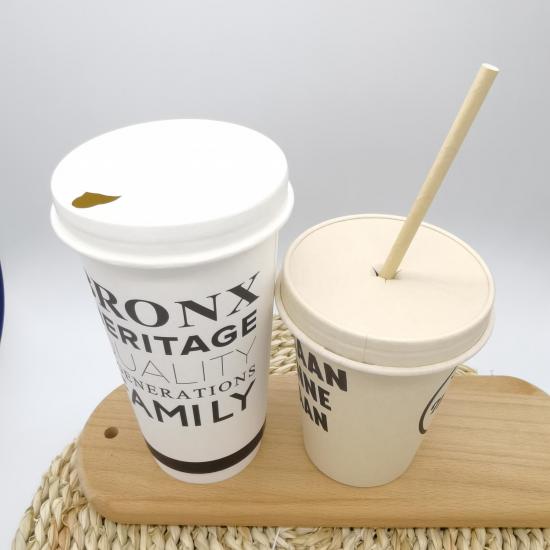
A essência da integridade de uma xícara reside em sua GSM (gramas por metro quadrado) Isso não é apenas uma medida de espessura, mas também de densidade da fibra. Os copos premium utilizam 100% de polpa de madeira virgem, o que proporciona uma resistência de "encaixe" superior. Quando você Encontre um fabricante de copos de papel na China. Em outros centros de produção, é preciso investigar a origem da fibra. A celulose de qualidade inferior geralmente contém fibras recicladas curtas que não possuem a resistência capilar necessária para suportar a pressão da água em alta temperatura, o que leva a "microfuros" onde o líquido penetra na própria parede do papel, e não na costura.
A rigidez vertical é a propriedade física resultante. Um copo de 355 ml (12 oz) de alta qualidade deve suportar pelo menos 500 mN de força antes de deformar. Isso garante que, quando um barista segura o copo para colocar a tampa, a borda não se deforme, evitando possíveis queimaduras causadas pelo deslocamento da tampa.
| Descrição da métrica | Padrão de 8 onças | 12oz Premium | 16 oz Extra-Duty |
|---|---|---|---|
| Papel base (GSM) | 240g - 260g | 280g - 300g | 320g - 350g |
| Gramatura do revestimento (GSM) | 15g - 18g | 18g - 20g | 20g - 25g |
| Rigidez (vertical) | > 320 mN | > 480 mN | > 650 mN |
| Taxa de vazamento (lote) | < 0,01% | < 0,005% | < 0,001% |
Odores desagradáveis em copos de papel geralmente resultam da "migração de tinta" ou da "liberação de gases do revestimento". Isso ocorre quando os fabricantes usam tintas solventes de baixo custo que contêm altos níveis de Compostos Orgânicos Voláteis (COVs). Quando esses copos são empilhados uns dentro dos outros, a tinta da parte externa de um copo é transferida para a parte interna do copo de baixo. Ao adicionar água quente, esses produtos químicos vaporizam, alterando o perfil sensorial da bebida.
De primeira linha Fabricantes de copos de papel personalizados Utilize tintas curadas por UV ou à base de soja, que são inerentemente de baixo odor e seguras para contato com alimentos. Além disso, a seleção do material de barreira é fundamental. O PE tradicional pode, por vezes, emitir um odor de "plástico queimado" se os rolos de selagem térmica forem ajustados a uma temperatura excessiva durante a produção. É por isso que o controle automatizado de temperatura na linha de produção é um ponto crítico de auditoria para compradores preocupados com a qualidade.
O setor está passando por uma rápida transição para Utensílios de mesa com revestimento à base de água Como uma alternativa superior ao PE e ao PLA, os revestimentos à base de água (aquosos) são aplicados em dispersão líquida que seca formando uma barreira robusta e resistente ao calor. Ao contrário do PE, que é um filme plástico físico, os revestimentos aquosos são integrados às fibras da superfície do papel, oferecendo excepcional neutralidade de odor e um ponto de fusão mais elevado, essencial para bebidas em ponto de ebulição. Essa inovação melhorou significativamente a qualidade de copos descartáveis ecológicos , garantindo que permaneçam inodoros mesmo ao conter líquidos em ebulição.
Os revestimentos à base de água também eliminam o problema do "descascamento do plástico". Em copos de PE de baixa qualidade, a camada de plástico pode, por vezes, desprender-se do papel se o líquido estiver muito quente, permitindo que micropartículas de plástico entrem na bebida. Esses revestimentos são repulpáveis, o que significa que o copo pode ser descartado em lixeiras de reciclagem de papel comuns.
| Propriedade | Polietileno (PE) | Aquoso (à base de água) | PLA (Amido de Milho) |
|---|---|---|---|
| Estabilidade térmica | 90°C | 105°C | 80°C |
| Reciclabilidade | Baixo (Especializado) | Alto (Repulpável) | Somente compostável |
| Perfil de odor | Sintético | Neutro | Neutro |
Um vazamento nem sempre se origina de um furo no papel; muitas vezes, é causado por uma falha na geometria. A borda (a parte superior curvada do copo) deve ser perfeitamente uniforme e lisa. Se a borda for irregular ou apresentar microdobras, a tampa não criará uma vedação hermética. Isso faz com que a bebida vaze por baixo da tampa quando o cliente inclina o copo. Durante sua auditoria de qualidade, passe o dedo ao longo da borda — ela deve ser tão lisa quanto a de uma caneca de cerâmica.
Em segundo lugar, inspecione a costura lateral. As máquinas de alta tecnologia utilizam soldagem ultrassônica em vez de cola comum. A soldagem ultrassônica cria uma ligação molecular entre as camadas de revestimento, tornando a costura a parte mais resistente do copo. Se você observar resíduos visíveis de cola amarela ao longo da costura, é provável que o copo se rompa quando exposto a altas temperaturas por mais de 15 minutos.
Mesmo um copo tecnologicamente perfeito pode falhar devido à degradação ambiental. O papel é higroscópico, o que significa que absorve continuamente a umidade da atmosfera. Para garantir um desempenho a longo prazo, você deve Armazene copos de papel em grandes quantidades adequadamente para evitar danos causados pela umidade. Se a umidade relativa do ar no seu local de armazenamento ultrapassar 60%, a cola na junção inferior começa a hidratar e amolecer. Isso leva a uma "falha tardia", onde o copo parece estar em perfeitas condições no uso inicial, mas começa a vazar após 5 a 10 minutos de contato com líquido quente.
As melhores práticas incluem manter um ambiente com temperatura controlada e utilizar um sistema de inventário "Primeiro a Entrar, Primeiro a Sair" (FIFO). Os copos de papel nunca devem ser armazenados diretamente contra paredes de concreto ou em pisos úmidos, pois isso facilita a transferência de umidade através das caixas de papelão ondulado.
Antes de confirmar seu próximo pedido em grande quantidade, certifique-se de que seu fornecedor forneça a seguinte documentação e que suas amostras sejam aprovadas nestes testes internos:
Ao focar nesses padrões industriais, você pode transformar a embalagem de suas bebidas, de um simples item utilitário, em um símbolo de qualidade da marca e segurança para o consumidor.






Xiamen GLAMAN environmental technology Co., Ltd




 telefone : +86 18759299872
 O email : zheng@glamanpaperlid.com